What’s in the drawers at Seoul’s herb market?
A museum and two trading streets make a half-day of learning to see the difference between roots, seeds and everyday cooking ingredients.
Start with a hot pancake at a market counter or a walk through a palace courtyard. Spend the afternoon among Seongsu’s old workshops or carry dinner to the Hangang.
A museum and two trading streets make a half-day of learning to see the difference between roots, seeds and everyday cooking ingredients.
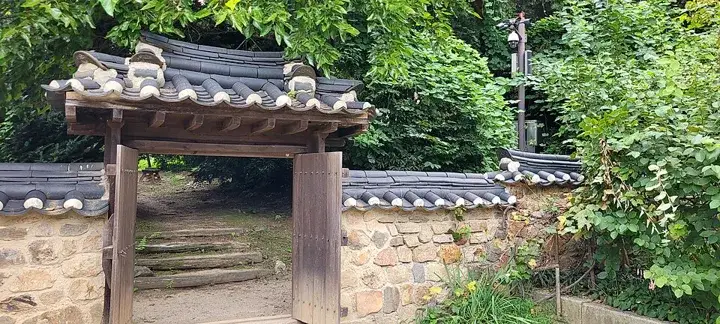
Three Joseon burial grounds show how queens and kings were commemorated in landscapes designed for ceremony.
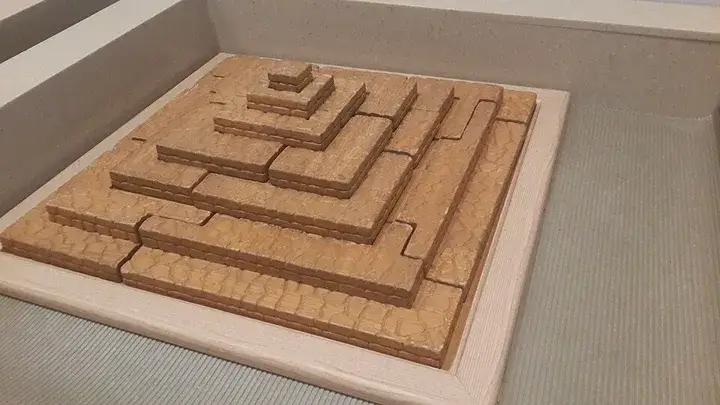
Walk a grass-covered Baekje fortress, then travel further back in time at the Han River settlement of Amsa-dong.
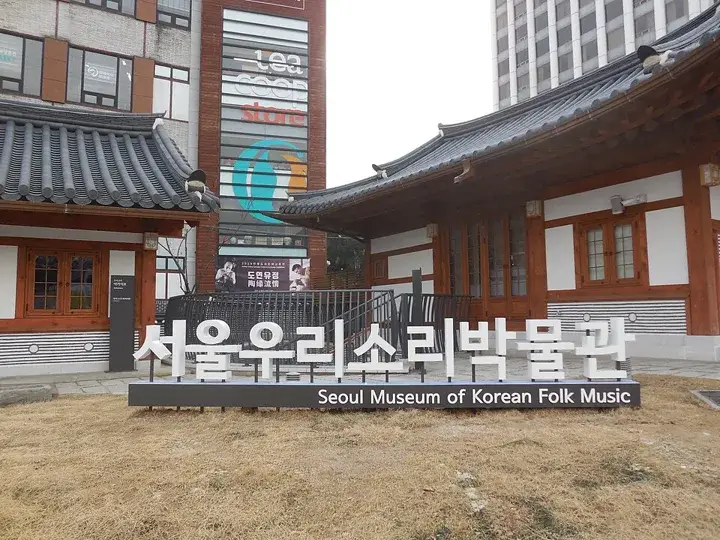
Listen to one everyday song, then decide how you want to hear Korean traditional music performed.
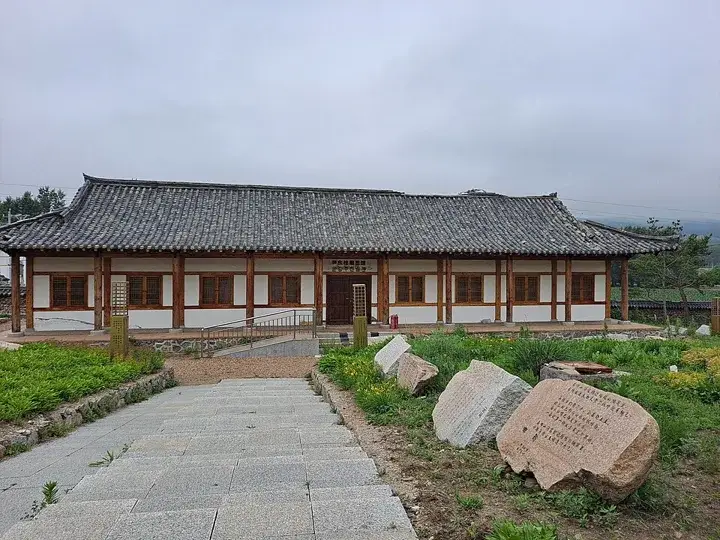
Follow Yun Dong-ju’s work from a converted waterworks to a hanok library on the lower slopes of Inwangsan.
01Gwanghwamun, Jongno · Culture
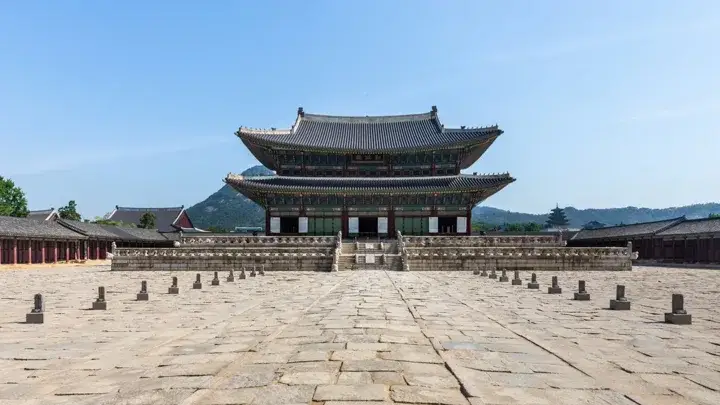
Beyond Gyeongbokgung’s throne hall, stone pillars lift Gyeonghoeru Pavilion above its pond. Walk far enough around the water to catch the roof against the mountains.
 02
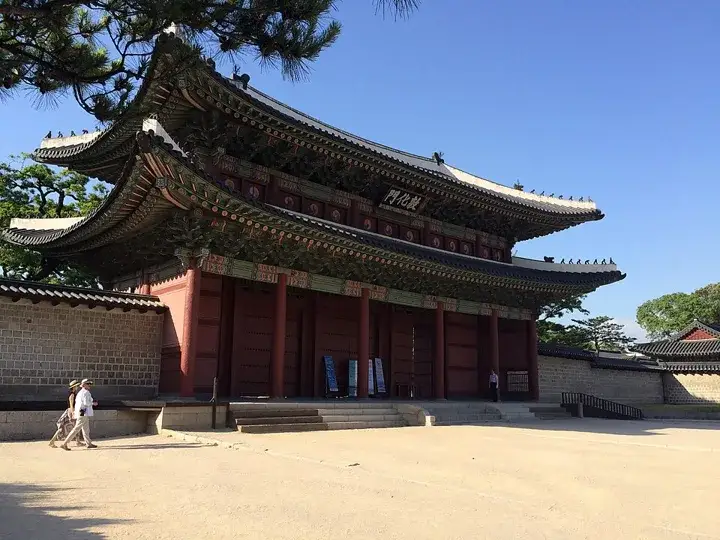
Anguk, Jongno · Culture
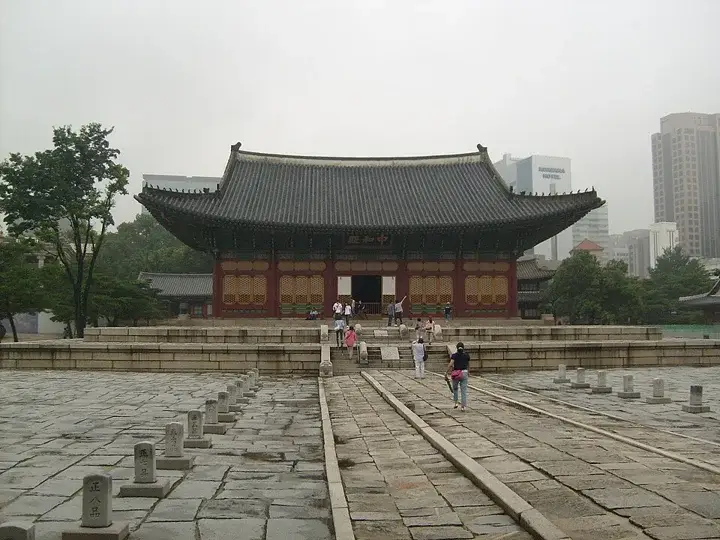
Changdeokgung’s courtyards and pavilions follow the hillside. Check the separate admission arrangements for the Secret Garden if its wooded paths and lotus ponds are your reason for visiting.
 03
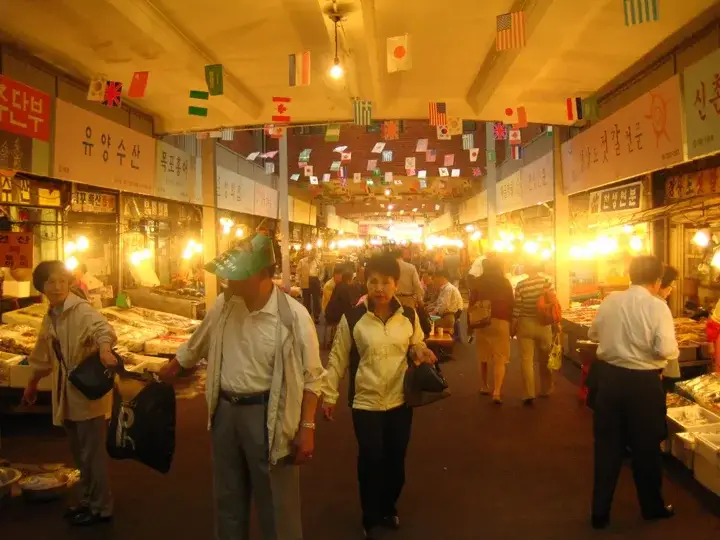
Jongno 5-ga · Food
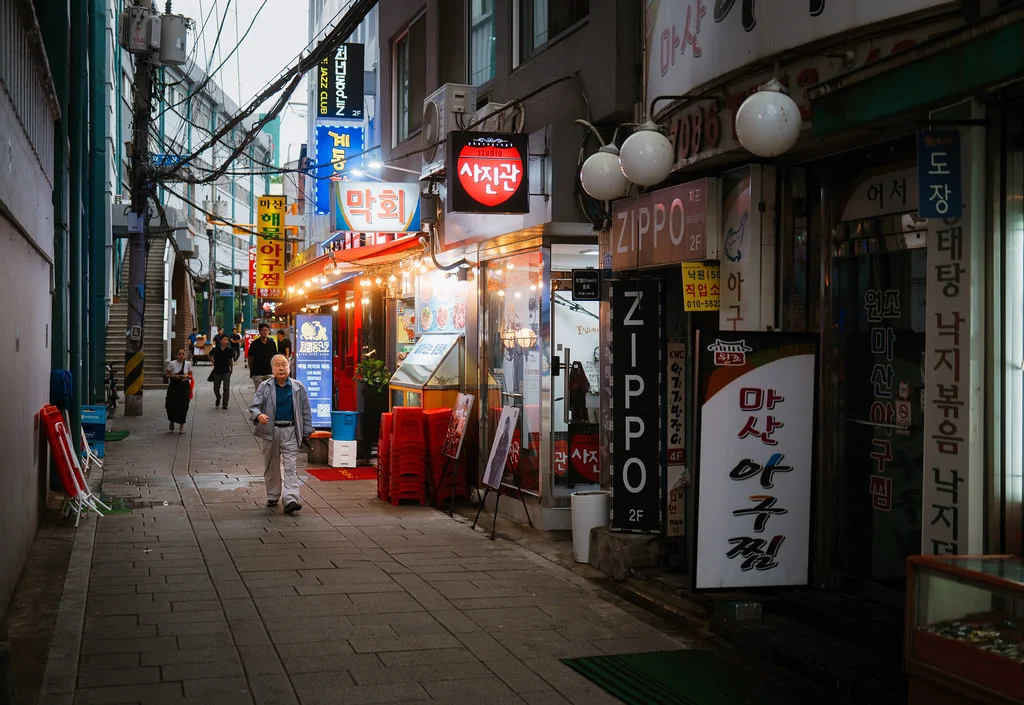
Try a freshly fried mung bean pancake, little rice rolls and a bowl of noodles in the narrow, busy food aisles.
 04
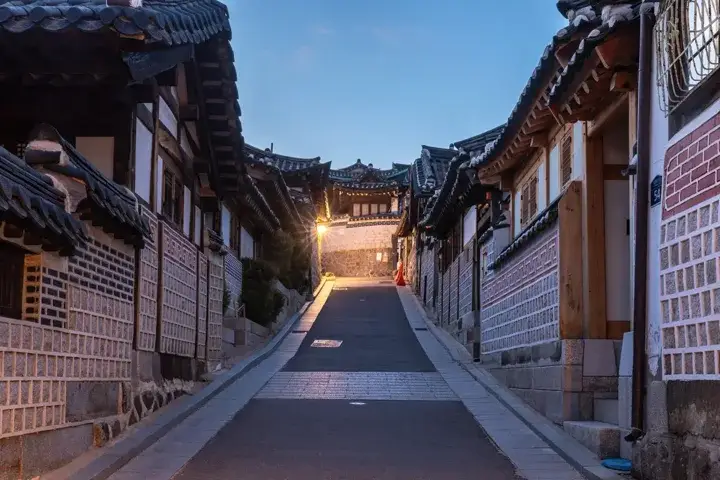
Gahoe-dong, Jongno · Neighbourhood
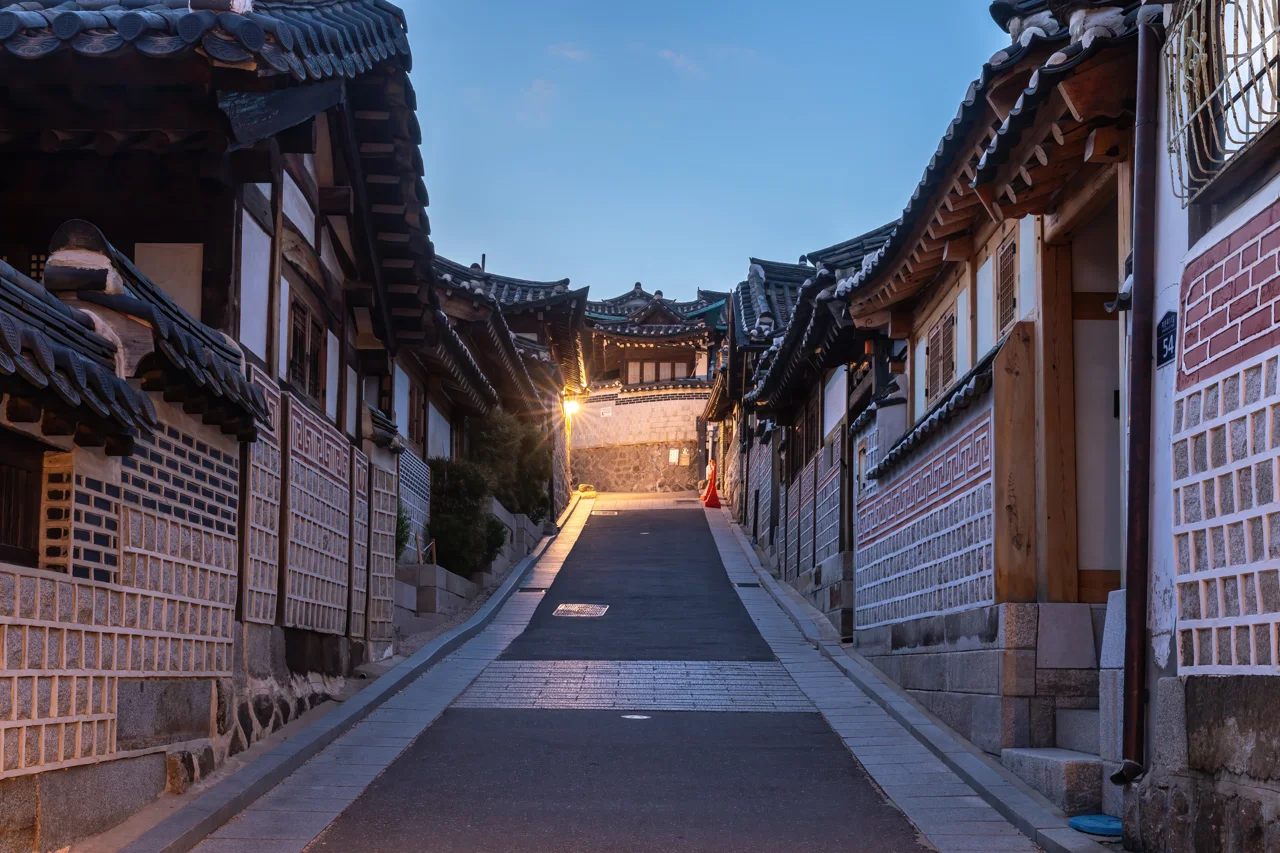
The tile-roofed lanes between the palaces are home to local residents. Plan sightseeing in the designated red zone between 10 am and 5 pm. Follow the posted zone map and keep voices low.
 05
Namsan, Yongsan · Sight
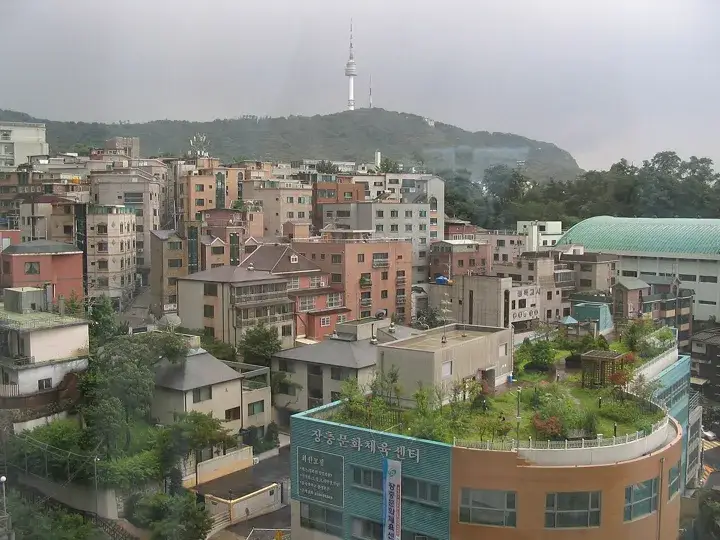
From N Seoul Tower on Namsan, trace the Han River across the city. The wooded paths below the tower offer a walk even on a day when clouds obscure the observatory view.
 06
Jung-gu and Jongno · Nature
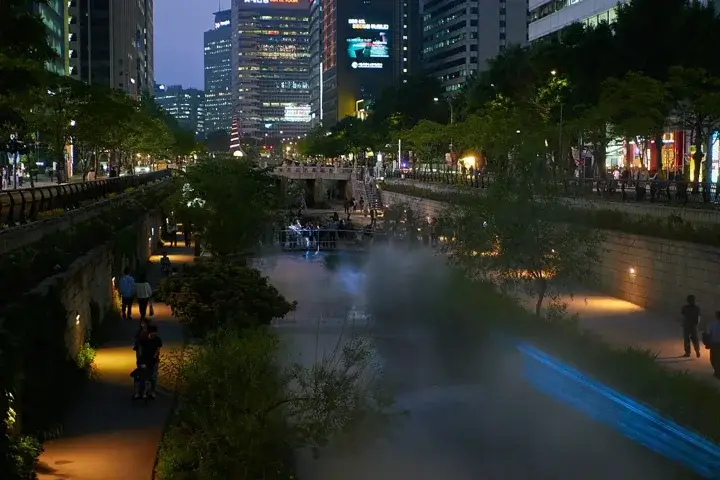
Steps from the pavement take you down to a stream walk under bridges and beside office streets.